
The New Year is a time for self-reflection—a moment to look back, turn inward, and take stock. Few artistic forms capture this introspective impulse more powerfully than the self-portrait. Across centuries, artists have turned their gaze inward not simply to record how they look, but to explore who they are.
Albrecht Dürer (German, 1471-1528) – The Artist as Intellectual
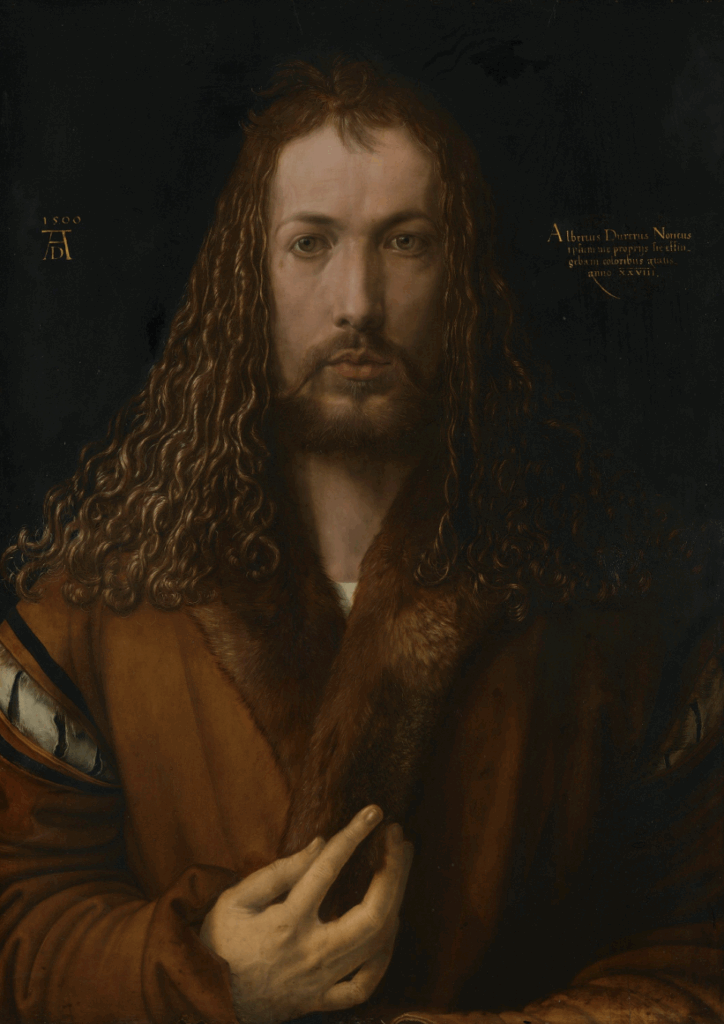
In the late fifteenth century, artists were still largely regarded as craftsmen. Albrecht Dürer helped redefine the artist as a learned, celebrated figure. His self-portraits—most notably the iconic Self-Portrait of 1500—project confidence and self-awareness. With a direct gaze and meticulous detail, Dürer presents himself in the guise of a Christ-like figure, echoing the pose of the Salvator Mundi. These images reveal ambition, intellect, and a radical new idea of the time: the artist as thinker rather than artisan, asserting the Renaissance belief in individual genius.
Anthony van Dyck (Flemish, 1599-1641) – The Elegance of the Court Painter
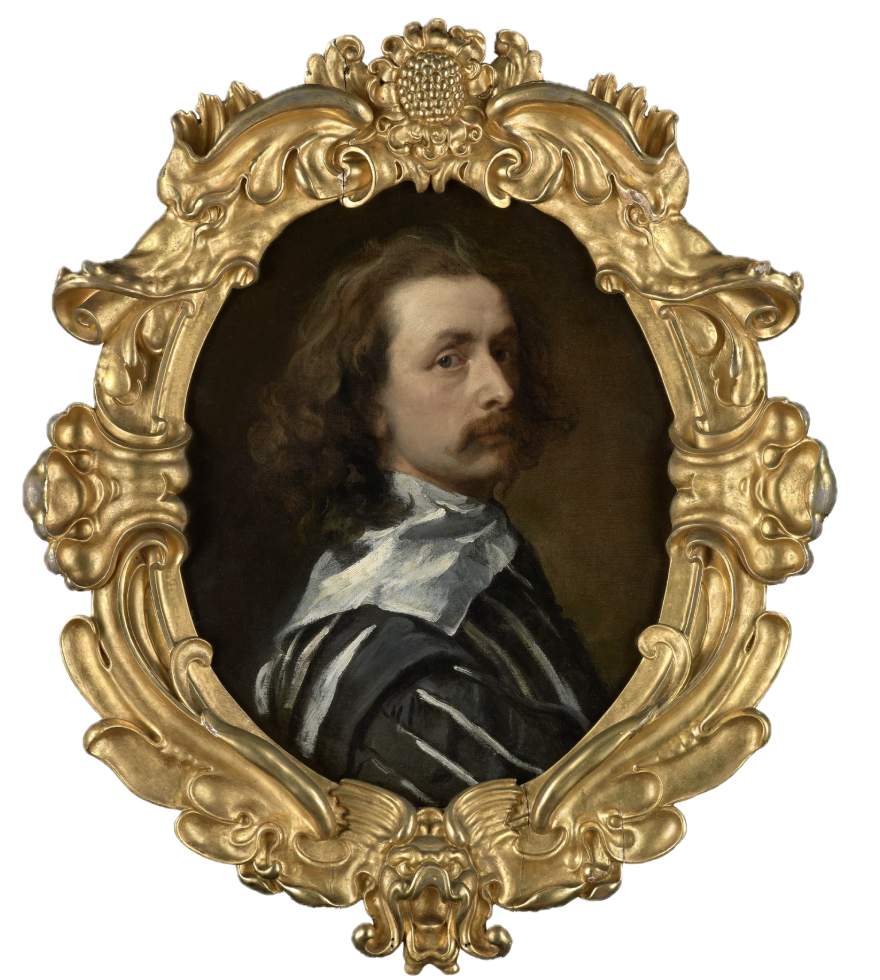
The most renowned protégé of the seventeenth-century Flemish master Peter Paul Rubens, Anthony van Dyck’s extraordinary talent was recognized by the age of eighteen. Soon considered to be a master in his own right, van Dyck was sought after by the nobility in his hometown of Antwerp, and internationally in Genoa and London, where he later became court painter to King Charles I of England and produced some of the most enduring portraits of the reign.
Painted at the apex of his career, just one year before his untimely death at forty-two, van Dyck’s self-portrait presents the artist elegantly dressed, gracefully poised, and unmistakably aristocratic. Knighted by King Charles I, van Dyck casts himself as a gentleman, signaling both his elevated social status and his carefully cultivated identity as a refined artist worthy of the royal courts he served. Housed in its original frame adorned with a large sunflower, the work further symbolizes his unwavering devotion to the monarch, echoing the flower’s tendency to turn its head toward the sun.
Élisabeth Louise Vigée Le Brun (French, 1755-1842) – A Woman Ahead of Her Time
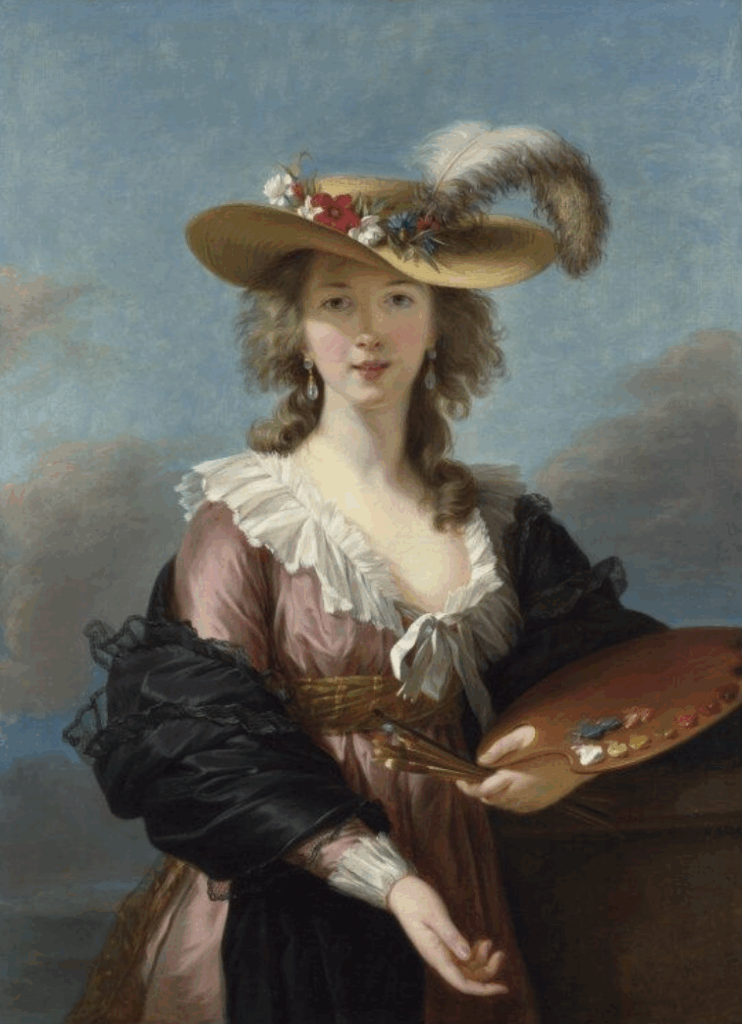
Élisabeth Louise Vigée Le Brun’s career unfolded against the backdrop of one of the most turbulent periods in French history. In the years leading up to the French Revolution of 1789, she achieved remarkable success at the court of Versailles as one of the most sought-after society portraitists of her generation. Her accomplishments were extraordinary given the constraints placed on women artists at the time: she was one of only four women admitted to the Académie Royale de la Peinture et de Sculpture in the eighteenth century and the favored painter of Marie Antoinette, whom she painted over 30 times.
In Self-Portrait in a Straw Hat, Vigée Le Brun presents a carefully constructed image of herself modeled after Peter Paul Rubens’ Portrait of Susanna Lunden (formerly known at that time as The Straw Hat). By referencing Rubens, she aligns herself with one of the great masters of European painting while subtly elevating her own artistic stature. Meeting the viewer’s gaze with assurance and holding the tools of her profession—a palette and brushes—she asserts a dual identity: elegant woman of society and confident, accomplished professional artist.
Vincent van Gogh (Dutch, 1853-1890) – Inside the Mind of a Master
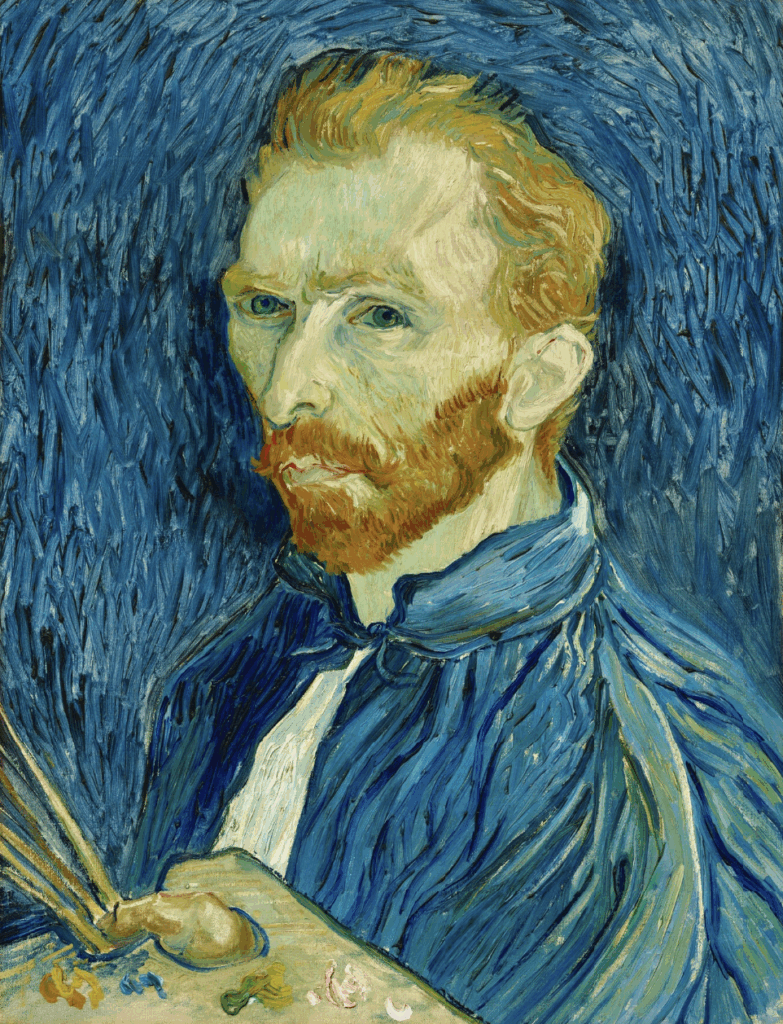
Vincent van Gogh transformed the self-portrait into a profound act of self-exploration. Painting himself more than thirty times, he used his own image to express emotion, layering color, line, and gesture to convey anxiety, resilience, isolation, and fierce self-awareness. These works are not about likeness alone; they are psychological portraits that reveal an artist wrestling with his inner life in real time.
Through vibrating brushstrokes and charged, often discordant color, van Gogh invites viewers inside his mind. Each self-portrait feels like an intimate conversation—vulnerable yet defiant—offering insight into how art became his language for survival, self-expression, and understanding.
Egon Schiele (Austrian, 1890-1918) – Unflinching Self-Examination
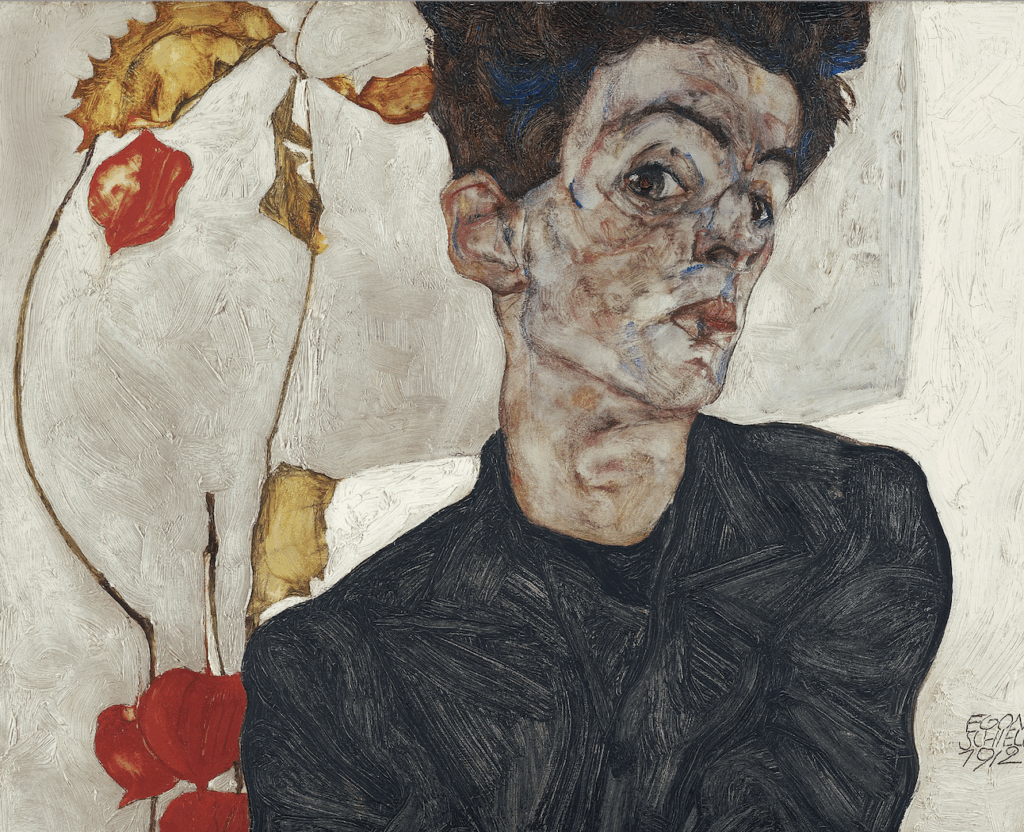
Despite his premature death from influenza at the age of twenty-eight in 1918, Egon Schiele produced an astonishing body of work—nearly 3,000 artworks, including more than 200 self-portraits. Influenced first by Gustav Klimt and later by the expressive intensity of Vincent van Gogh and Edvard Munch, Schiele embraced self-portraiture as a form of confrontation and introspection.
Rejecting idealization entirely, Schiele turned his gaze inward with brutal honesty. His distorted poses, gaunt features, and exaggerated gestures convey restless psychological tension, revealing an artist relentlessly probing his own identity, sexuality, and mortality. These works remain among the most unflinching acts of self-examination in modern art.
Lucian Freud (German/British, 1922-2011) – Raw Psychological Truth
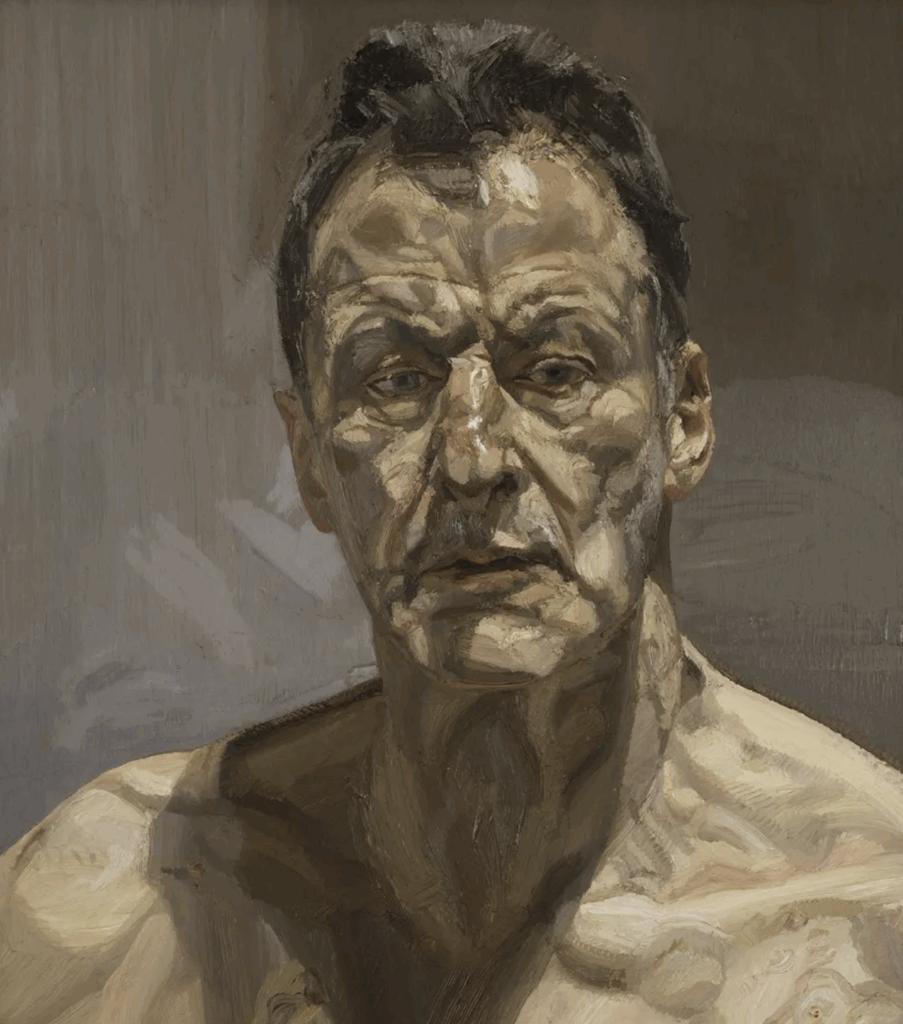
Stripped of vanity and idealization, the self-portraits of Lucian Freud present the artist as he truly saw himself: aging flesh, psychological intensity, and all. Raw and uncompromising, these works refuse comfort, confronting viewers with the vulnerability and truth of human presence. Freud once said painting was about capturing “the essence of a person,” and nowhere is that pursuit more evident than in his relentless self-scrutiny.
Andy Warhol (American, 1928-1987) – The Mask of Celebrity
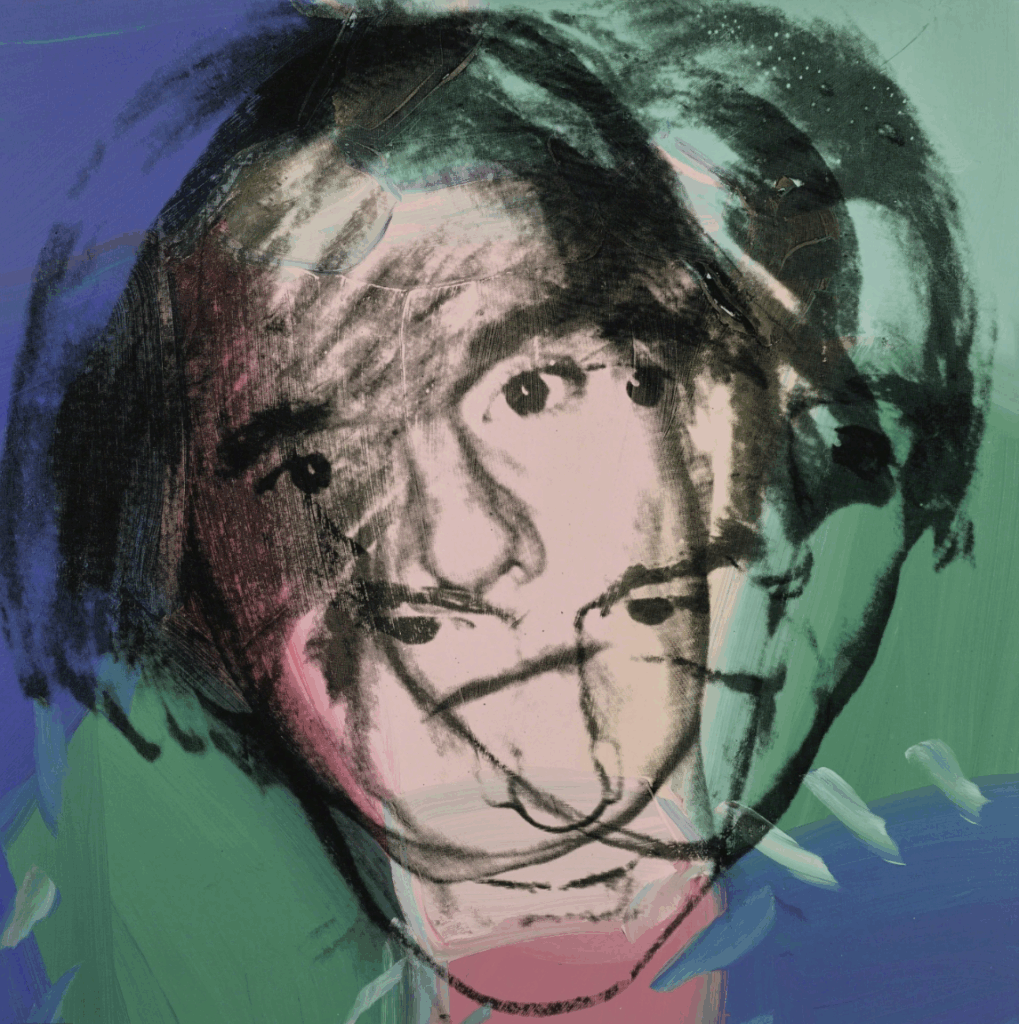
Andy Warhol’s self-portraits are among the most enigmatic in modern art. Whether rendered in camouflage, electric color, or stark black and white, Warhol conceals more than he reveals. Understanding image as product, his self-portraits function like branding—controlled, detached, and theatrical, akin to his artworks of Brillo boxes or Campbell’s soup cans. Here, his identity becomes performance, and the self is mediated through mass culture.
Cindy Sherman (American, b. 1954) – The Self as Someone Else
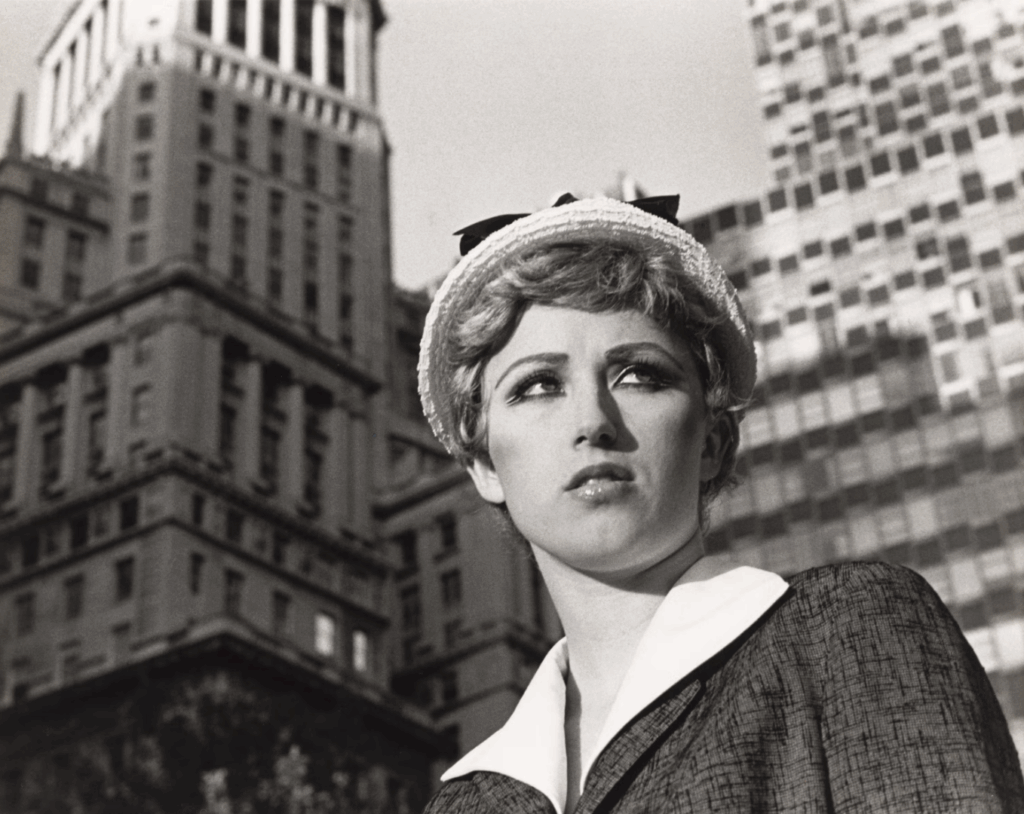
For more than four decades, Cindy Sherman has used photography to probe how identity is constructed—not discovered. Through staged self-portraits, she adopts multiple personas, responding to the mass-media landscape with equal parts humor and critique. Drawing from advertising, film, television, and magazines, Sherman exposes the visual codes that shape gender, celebrity, and selfhood.
Although her subject is self-portraiture, Sherman is hardly revealing her own identity or expressing a personal self. Instead, she photographs herself in carefully constructed scenes—often echoing mid-20th-century B movies—using deliberate props and settings that feel both familiar and unsettling. By playing every role—model, photographer, and character—she collapses the boundary between real and fake, suggesting that identity itself is a performance shaped by cultural expectations and visual tropes.
Jenny Saville (British, b. 1970) – The Body Without Apology
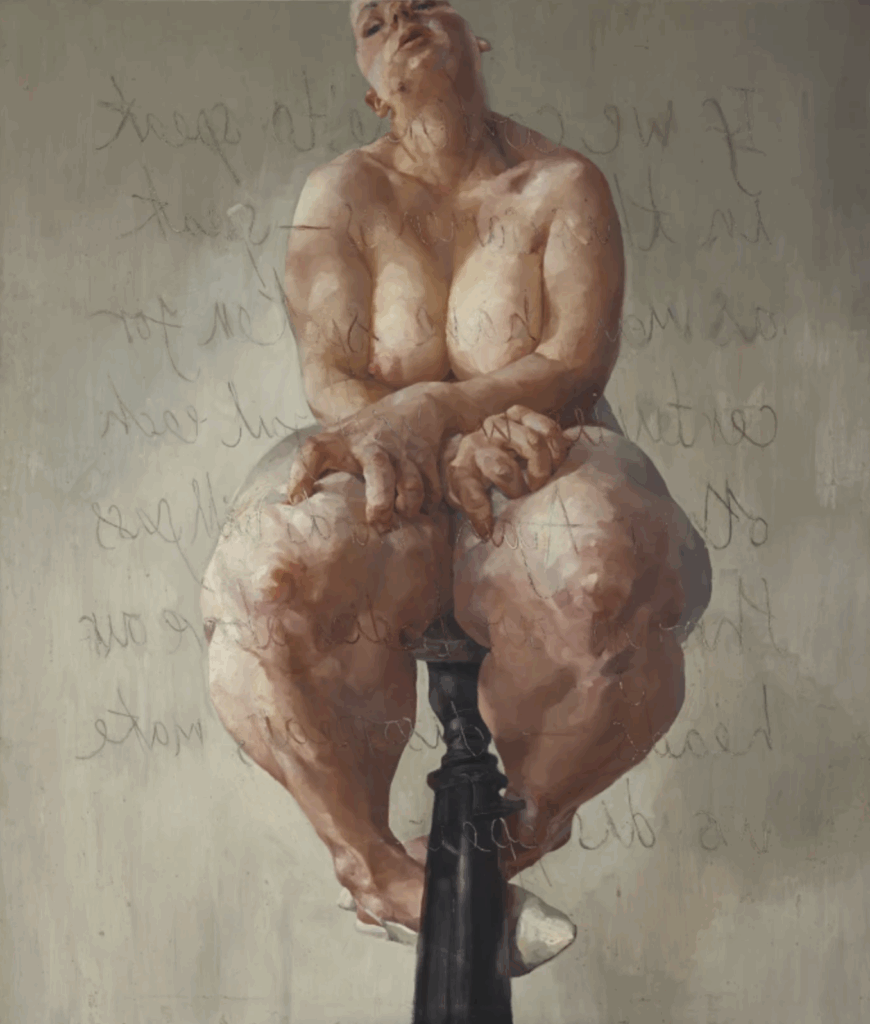
Jenny Saville’s monumental self-portraits confront societal expectations head-on. Her visceral brushwork, exaggerated flesh, and unapologetic scale challenge traditional ideals of beauty. Influenced by Egon Schiele’s raw psychological intensity and Francis Bacon’s visceral handling of paint and flesh, Saville uses her own image to explore identity, embodiment, and the politics of looking. Portraying herself with honesty, weight, vulnerability, and strength, Saville invites viewers to see the body not as an object to be idealized, but as a lived, physical reality—unfiltered and unapologetic.
Mickalene Thomas (American, b. 1971) – Identity, Power, and Glamour
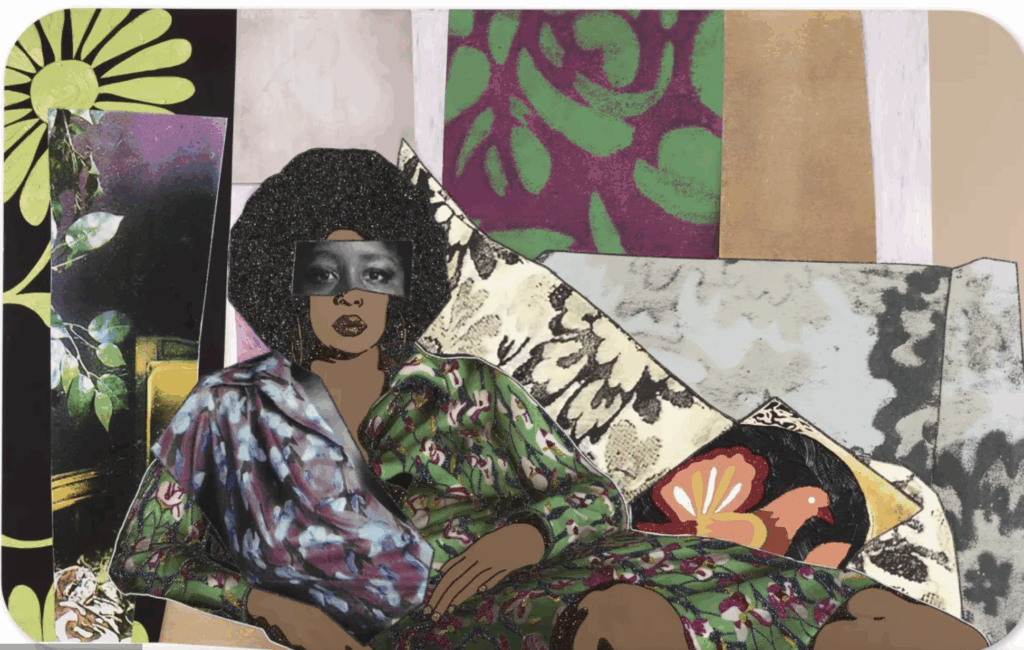
Mickalene Thomas reclaims the art-historical tradition of portraiture through a contemporary Black female lens. Her self-portraits are bold and glamorous, rooted in 1970s visual culture and enriched with pattern, color, glittering rhinestones, texture, and personal narrative. Thomas asserts self-definition while expanding who is allowed visibility within the canon of portraiture. For her, the self-portrait becomes a declaration of beauty, presence, and cultural power.
###
#selfportrait #fineart #artadvisory #artappraisal #artvaluation